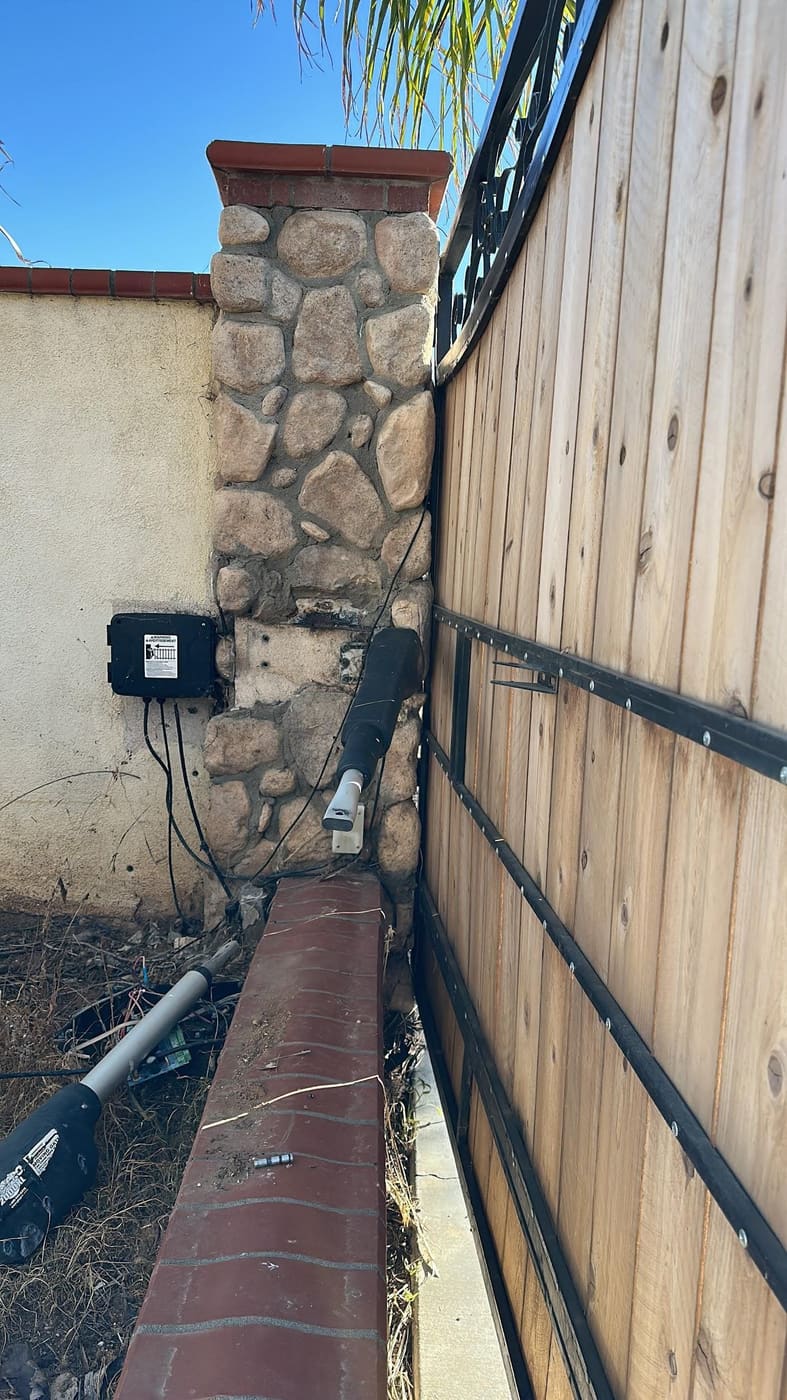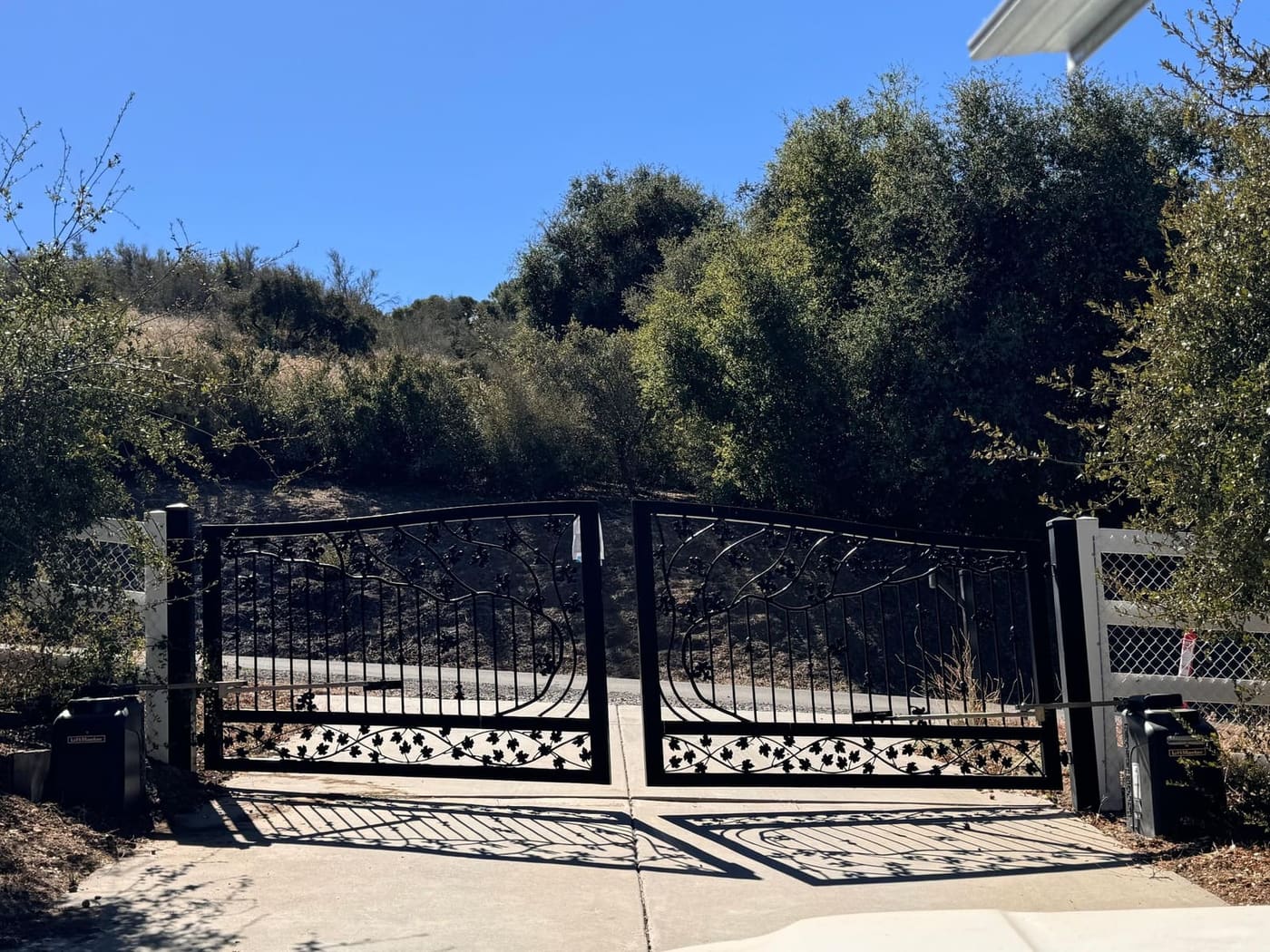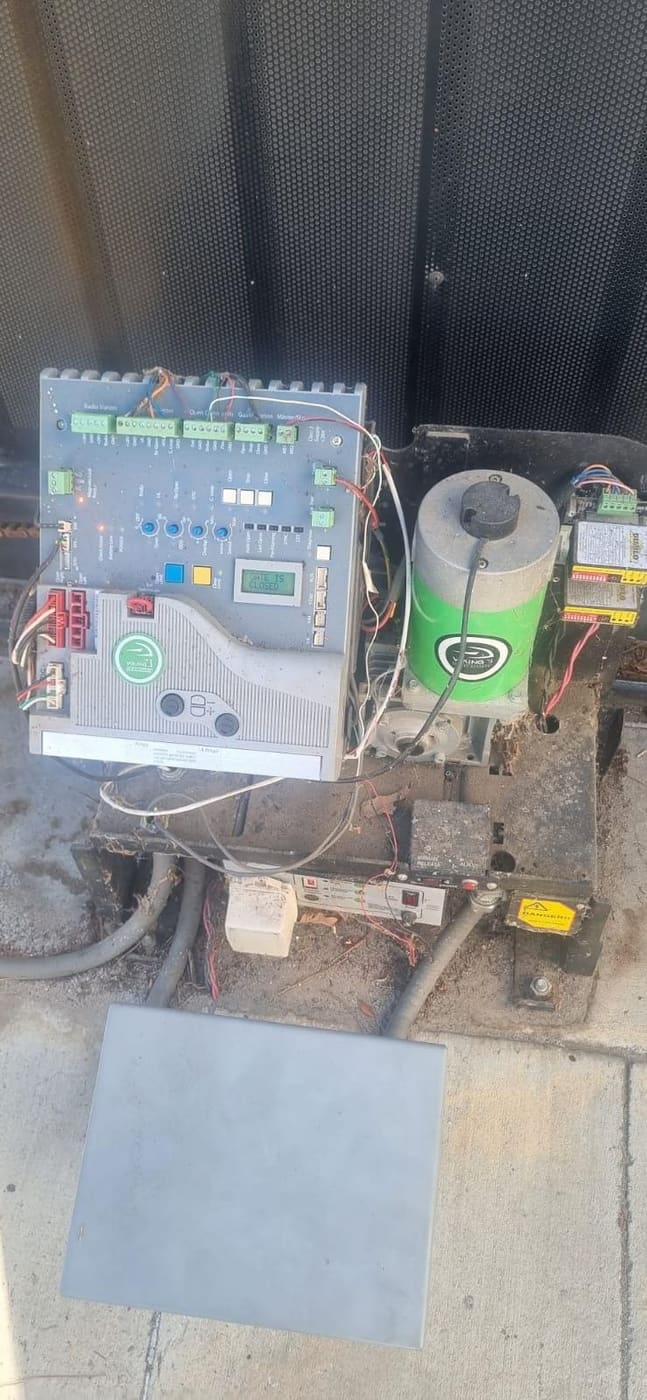
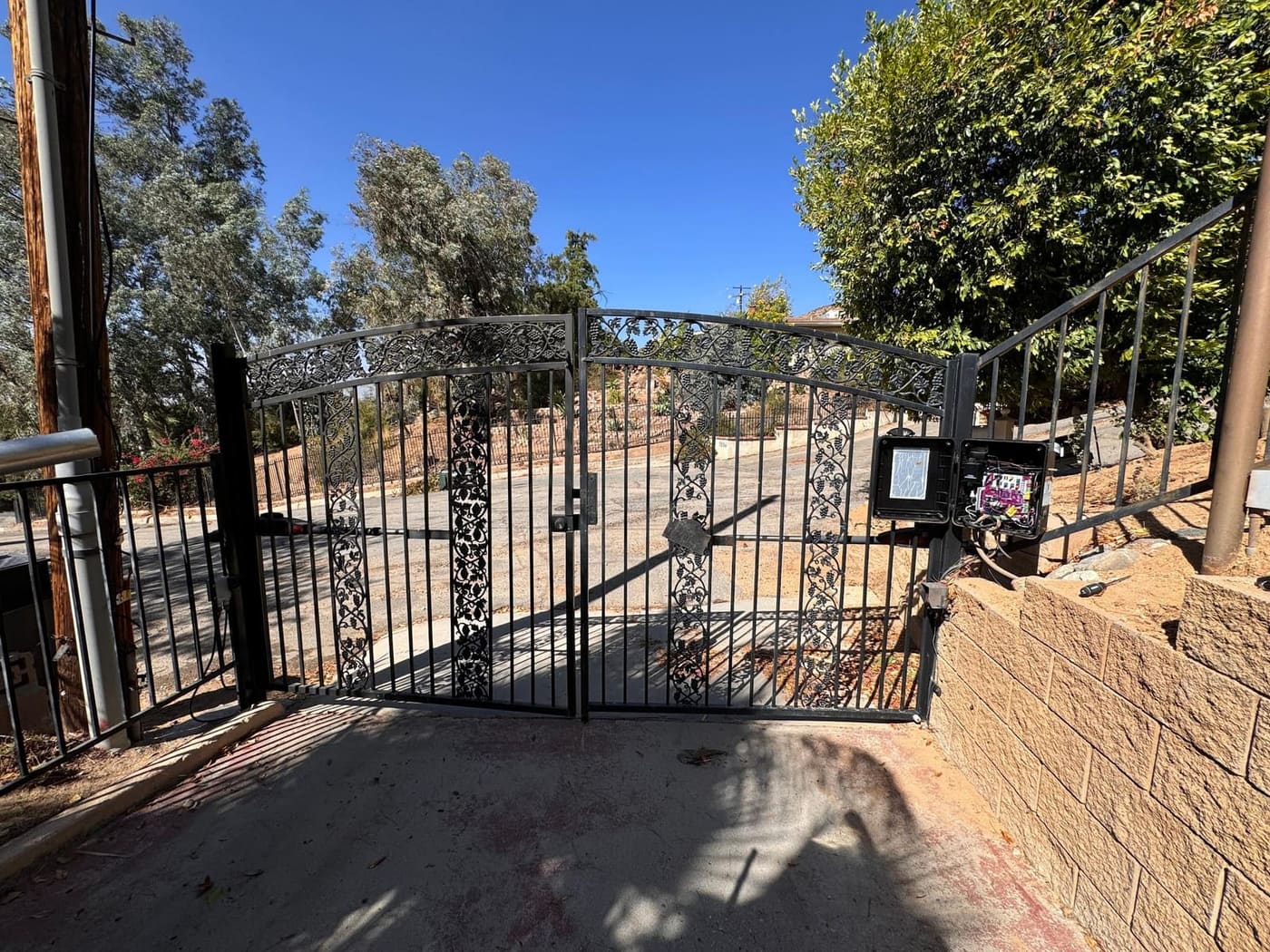
An automatic gate is one of the hardest-working features on your property. It opens and closes dozens of times a day, stands up to sun, dust, and temperature swings, and is expected to do it all without a second thought. In the Inland Empire, where triple-digit summers and gritty Santa Ana winds are part of life, that is a tall order. The good news is that a little regular care goes a long way. This guide walks Riverside, San Bernardino, Ontario, and Corona homeowners through simple automatic gate maintenance you can handle yourself, the local climate factors that matter most, and the warning signs that mean it is time to call a professional.
Why Driveway Gate Maintenance Matters Here
Electric and automatic gates combine mechanical parts, electronics, and a motor that all have to work together. When one component starts to struggle, the rest of the system has to compensate, and small problems can snowball into bigger, costlier repairs. Routine driveway gate maintenance keeps everything aligned and moving smoothly so your gate lasts longer and fails less often.
The Inland Empire climate adds its own challenges. Fine dust and sand work their way into rollers, tracks, and hinges, acting like sandpaper on moving parts. Intense summer heat can affect lubricants, batteries, and sensitive electronics, while the dry air and occasional winter cold snaps cause metal to expand and contract. A gate that is well cared for shrugs these conditions off. A neglected one tends to get loud, sluggish, and unreliable, often at the worst possible moment. Staying ahead of the wear is almost always easier and less expensive than reacting to a breakdown.
Simple Maintenance You Can Do Yourself
Plenty of upkeep is perfectly safe for a homeowner, as long as you stick to surface-level cleaning and visual checks and keep the gate powered down while you work near moving parts. Here are the DIY-friendly tasks worth doing regularly:
- Clean the tracks and rollers. For sliding gates, dirt and debris in the track are the number one cause of jerky movement. Sweep out leaves, rocks, and built-up grime so the gate can glide freely.
- Wipe down the sensors and photo eyes. The small safety sensors that stop your gate from closing on a car or person are easily fogged by dust. Gently clean their lenses with a soft, dry cloth so they can see clearly.
- Rinse off accumulated dust. A periodic rinse of the gate panels and hardware removes the abrasive grit our region is famous for. Dry exposed metal afterward to discourage rust.
- Do a quick visual inspection. Look for loose bolts, rust spots, frayed or sagging cables, chipped paint, and any hardware that seems out of place. Catching these early helps you flag issues before they grow.
- Listen and watch as it operates. Run the gate through a full open-and-close cycle and pay attention. Smooth and quiet is the goal. Grinding, squealing, hesitating, or uneven movement are clues that something needs attention.
- Keep landscaping clear. Trim back shrubs, vines, and tree branches that crowd the gate’s path or block sensors. Plant growth is an easy thing to overlook until it interferes with operation.
Lubrication Basics
Lubrication is one of the most valuable things you can do for a moving gate, and most of it is homeowner-friendly. The right lubricant reduces friction on hinges, rollers, and chains, which means less strain on the motor and quieter operation.
A few guidelines help you do it right. Use a product made for the job, such as a silicone-based or lithium spray lubricant, rather than a general all-purpose oil, which can attract the very dust you are trying to keep out. Apply it sparingly to hinges, the roller wheels, and the chain or drive components, then wipe away any excess. Because our dry, dusty conditions can break down lubricant faster than a milder climate would, gates in the Inland Empire often benefit from more frequent attention than the once-a-year schedule you might see recommended elsewhere.
One important boundary: lubrication around the visible mechanical parts is fine, but anything involving the gate operator’s internal components, electrical connections, or spring tension should be left to a professional. Those areas carry real risk and call for the right tools and training.
Seasonal and Heat Considerations
The Inland Empire’s seasons each ask something different of your gate, and adjusting your care to match makes a real difference.
Summer heat is the big one. When temperatures climb past 100 degrees in places like Moreno Valley and Colton, the heat can stress electronic control boards, drain battery backups faster, and thin out lubricants. Before the hottest stretch arrives, it is smart to give your gate a once-over and confirm everything is moving freely so the motor is not fighting added friction in the heat. If your gate has a battery backup, summer is a good time to confirm it is holding a charge.
Wind and dust season brings the gritty conditions that accelerate wear on tracks and hinges. Expect to clean more often when the winds pick up, and keep an eye on sensors, which collect a film of dust quickly.
Cooler months may seem easy on a gate, but chilly nights can stiffen lubricants and make metal contract, which sometimes reveals alignment issues that were hiding in warmer weather. A gate that suddenly drags or sticks when the temperature drops is worth watching. Adjusting your routine with the seasons keeps small, predictable changes from turning into surprises.
Signs You Need Professional Service
Some issues are clear signals that it is time to bring in a trained technician rather than troubleshoot on your own. Call a pro if you notice any of the following:
- The gate moves slowly, hesitates, or stops partway through its cycle.
- You hear grinding, scraping, clicking, or loud squealing that cleaning and basic lubrication do not fix.
- The gate reverses unexpectedly, will not close fully, or the safety sensors are not working properly.
- The motor runs but the gate does not move, or it struggles visibly under load.
- The remote, keypad, or access controls respond intermittently or not at all.
- You spot frayed cables, a loose or damaged chain, bent tracks, or any sign of structural wear.
Safety, electrical, and high-tension components are never a DIY project. Gate springs, operator internals, and wiring can cause serious injury when handled without the proper training and equipment. When the problem goes beyond surface cleaning and visual checks, the safest and most cost-effective move is to let our electric gate repair team diagnose and repair it. Trouble with a keypad, remote, or call box often points to your access control system instead.
The Benefits of an Annual Tune-Up
Even a well-maintained gate benefits from a professional tune-up on a regular schedule. A technician can catch the subtle issues a homeowner is not equipped to spot, things like early bearing wear, a control board that is beginning to fail, or an operator that is slightly out of adjustment. Addressing those quietly, before they cause a breakdown, helps you avoid emergency service calls and extends the life of the whole system.
During a professional maintenance visit, you can generally expect a technician to:
- Inspect and test the gate operator, motor, and drive components under load.
- Check, adjust, and safely service springs, chains, cables, and hardware.
- Clean and align the tracks, rollers, and hinges for smooth travel.
- Test and recalibrate safety sensors and auto-reverse features so the gate stops when it should.
- Examine wiring, the control board, and the battery backup for signs of trouble.
- Verify that remotes, keypads, and access controls are working as they should.
- Apply professional-grade lubrication and tighten any loose fasteners.
The result is a gate that operates more smoothly, more quietly, and more reliably, with fewer surprises throughout the year. For a hard-working gate in a demanding climate, that peace of mind is well worth it.
Frequently Asked Questions
How often should I schedule professional gate maintenance?
For most homeowners, a professional tune-up once a year keeps an automatic gate in good shape. In the Inland Empire’s dusty, high-heat conditions, gates that run frequently or face heavy daily use may benefit from a check more often. Pairing an annual pro visit with your own regular cleaning and visual inspections is the most reliable approach.
What gate maintenance can I safely do myself?
Surface-level tasks are homeowner-friendly: cleaning tracks and sensors, rinsing off dust, doing visual inspections for loose or worn parts, applying a light silicone or lithium lubricant to hinges and rollers, and keeping landscaping clear. Always power the gate down before working near moving parts. Leave anything involving springs, electrical wiring, the operator’s internals, or high-tension components to a trained professional.
Why is my automatic gate moving slowly or making noise?
Slow, noisy, or jerky operation is often caused by debris in the tracks, dry or worn rollers and hinges, or parts that have drifted out of alignment, all common in our dusty climate. Cleaning and basic lubrication resolve some of these issues. If the problem persists after that, it usually points to a mechanical or motor-related fault that should be inspected by a technician.
Keep Your Gate Running Its Best
Keep your gate running its best with help from Electra Gate Solutions. Our fully insured team serves Riverside, San Bernardino, Ontario, Rancho Cucamonga, Corona, Colton, Moreno Valley, and the surrounding Inland Empire with 24/7 service and free quotes. Whether you are due for an annual tune-up or your gate is showing signs of trouble, call us today at (951) 903-5514 to schedule your maintenance visit or request a free quote.